 contact@zocamhost.cloud
 Hosting Flash Sale: Starting at $2.59/mo for a limited time
 Live Chat
 Login
Login


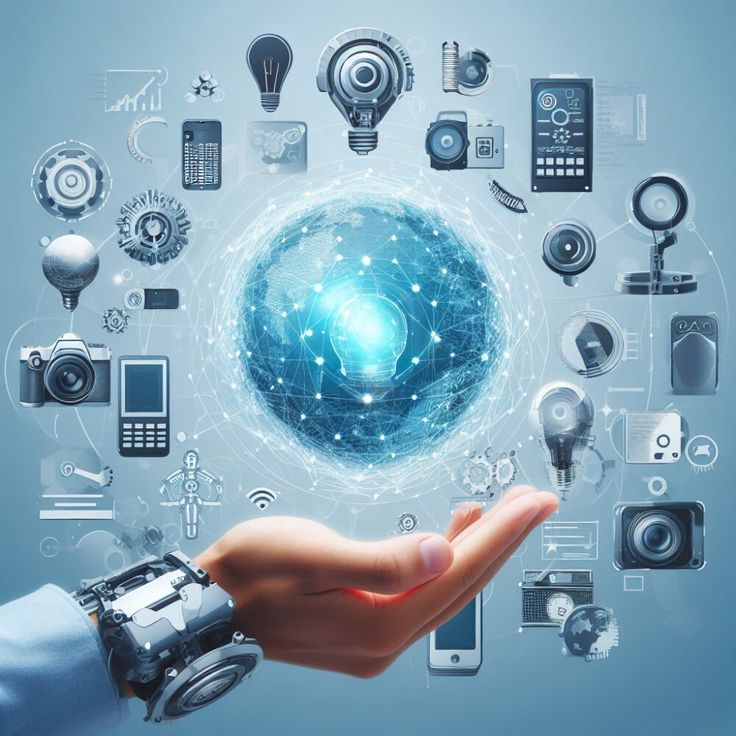
The Future of AI: How Artificial Intelligence is Shaping Our World
Artificial Intelligence (AI) is no longer confined to the realm of science fiction. It has become a transformative force, altering various facets of our daily lives and the broader societal landscape. As AI technology continues to advance, its influence is growing, promising both unprecedented opportunities and new challenges. Let’s explore how AI is shaping our world today and consider its future impact on society as a whole.
Transforming Healthcare
AI is driving significant changes in transportation, from autonomous vehicles to optimized traffic management systems. Self-driving cars and buses, currently in testing phases, promise to reduce accidents caused by human error. AI is also improving traffic flow and reducing congestion through smarter traffic management solutions.
The future of transportation will likely see the widespread adoption of autonomous vehicles, which could communicate with each other and with traffic infrastructure to optimize routes and reduce travel times. AI-powered public transportation systems could become more efficient and reliable, decreasing the need for private car ownership and reducing environmental impact.

Enhancing Education
Education is another field undergoing significant transformation due to AI. Intelligent tutoring systems provide personalized learning experiences, adapting to each student’s pace and style. These systems offer customized feedback and resources, helping students grasp difficult concepts more effectively. Teachers are also benefiting from AI tools that handle administrative tasks, giving them more time to focus on instruction and student engagement.
In the future, AI could make education more inclusive and personalized. Virtual classrooms equipped with AI could provide high-quality education to students around the world, regardless of their geographic location. Immersive learning experiences, utilizing virtual and augmented reality powered by AI, could make education more engaging and effective. Lifelong learning will be supported by AI, helping individuals continuously update their skills to stay relevant in a rapidly changing job market.
Revolutionizing Transportation
AI is driving significant changes in transportation, from autonomous vehicles to optimized traffic management systems. Self-driving cars and buses, currently in testing phases, promise to reduce accidents caused by human error. AI is also improving traffic flow and reducing congestion through smarter traffic management solutions.
The future of transportation will likely see the widespread adoption of autonomous vehicles, which could communicate with each other and with traffic infrastructure to optimize routes and reduce travel times. AI-powered public transportation systems could become more efficient and reliable, decreasing the need for private car ownership and reducing environmental impact.

Impact on Employment
AI is transforming the workplace by automating repetitive and mundane tasks, allowing employees to focus on more complex and creative aspects of their jobs. While this boosts productivity, it also raises concerns about job displacement in certain sectors.
In the future, AI is expected to create new job opportunities that we can't yet imagine, much like the internet did in the past. However, this will require significant workforce adaptation, emphasizing the need for reskilling and upskilling. Governments and organizations must collaborate to prepare workers for the jobs of the future. AI could also enhance workplace productivity by acting as virtual assistants, managing schedules, and making data-driven decisions.
Shaping Entertainment
The entertainment industry is being reshaped by AI in numerous ways. Streaming services use AI algorithms to recommend content based on user preferences, while AI-generated music and art are gaining popularity. Video game developers employ AI to create more realistic and responsive characters and environments.
In the future, we might see fully AI-generated movies and TV shows, with scripts, direction, and even acting handled by AI. AI-driven virtual reality experiences could offer unprecedented levels of immersion and interactivity. Personalized entertainment, dynamically generated based on an individual's preferences and mood, could become the norm.

Addressing Ethical Considerations
As AI becomes more integrated into our lives, ethical considerations are increasingly important. Issues such as data privacy, algorithmic bias, and transparency in AI decision-making processes must be addressed. Ensuring ethical AI use will be crucial as the technology continues to develop.
Governments and organizations will need to establish robust frameworks and regulations to ensure AI is used responsibly. Ethical AI practices will involve transparency in AI systems, ensuring decisions can be explained and justified. Efforts to eliminate biases in AI algorithms will promote fairness and equality, helping to build trust in AI technologies.
Conclusion
The future of AI holds immense potential to enhance our lives across various domains. From transforming healthcare and education to revolutionizing transportation and entertainment, AI is set to reshape our world in profound ways. However, realizing the full potential of AI will require careful consideration of ethical and societal implications. By embracing AI with a focus on human-centric values and equitable distribution of benefits, we can create a better future for all. As we navigate this transformative era, it is essential to balance innovation with responsibility, ensuring AI serves as a force for good in our rapidly evolving world.




.jpg)


Share Your Opinion Here !